SCREEN LIGHT
Slower to drop off
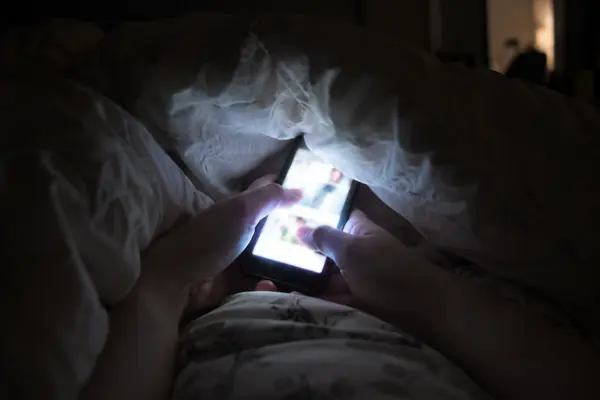
In a 2015 sleep-lab study, reading on a light-emitting e-reader before bed meant nearly 10 minutes longer to fall asleep than a printed book.
See the numbers phonesleep
WHAT THE RESEARCH SAYS
The last thing many of us see at night is a screen.
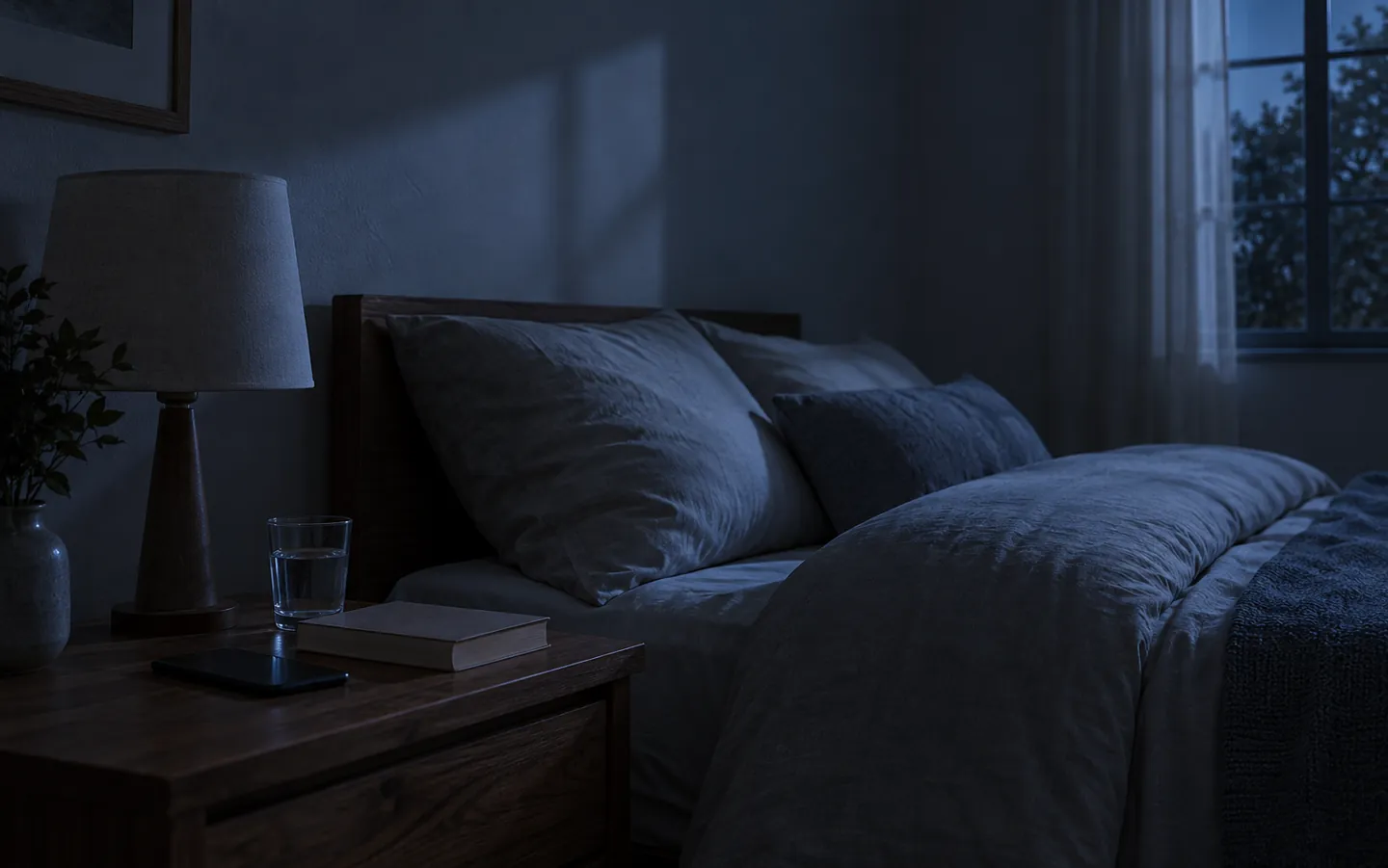
LAST HOUR screen-free
≈ 55% Evening melatonin suppressed by screen reading
Sleep-lab studies suggest the light from a screen can keep us alert and push the body clock later. NHS advice is simple: put devices away for the last hour, and keep the phone quiet and dark overnight.
THE SHORT ANSWER
Two experiments and the NHS advice
point the same way.
SCREEN LIGHT
In a 2015 sleep-lab study, reading on a light-emitting e-reader before bed meant nearly 10 minutes longer to fall asleep than a printed book.
See the numbersPAPER INSTEAD
The NHS suggests relaxing for at least an hour before bed, for example with a bath or a book, and not using devices right before bed.
Four habitsOVERNIGHT
NHS Every Mind Matters suggests putting your phone on silent and placing it face down to cut interruptions and light.
Check your bedtimeA QUICK BEDTIME CHECK
Pick the habit closest to yours to see what the research and NHS advice say. The bar shows how much the evidence suggests it may get in the way of sleep.
Based on NHS advice and two published experiments. General information, not personal medical advice.
FOUR HABITS TO TRY
None of these needs an app. They come from NHS sleep advice and are about what you do with the phone, not which settings you choose.
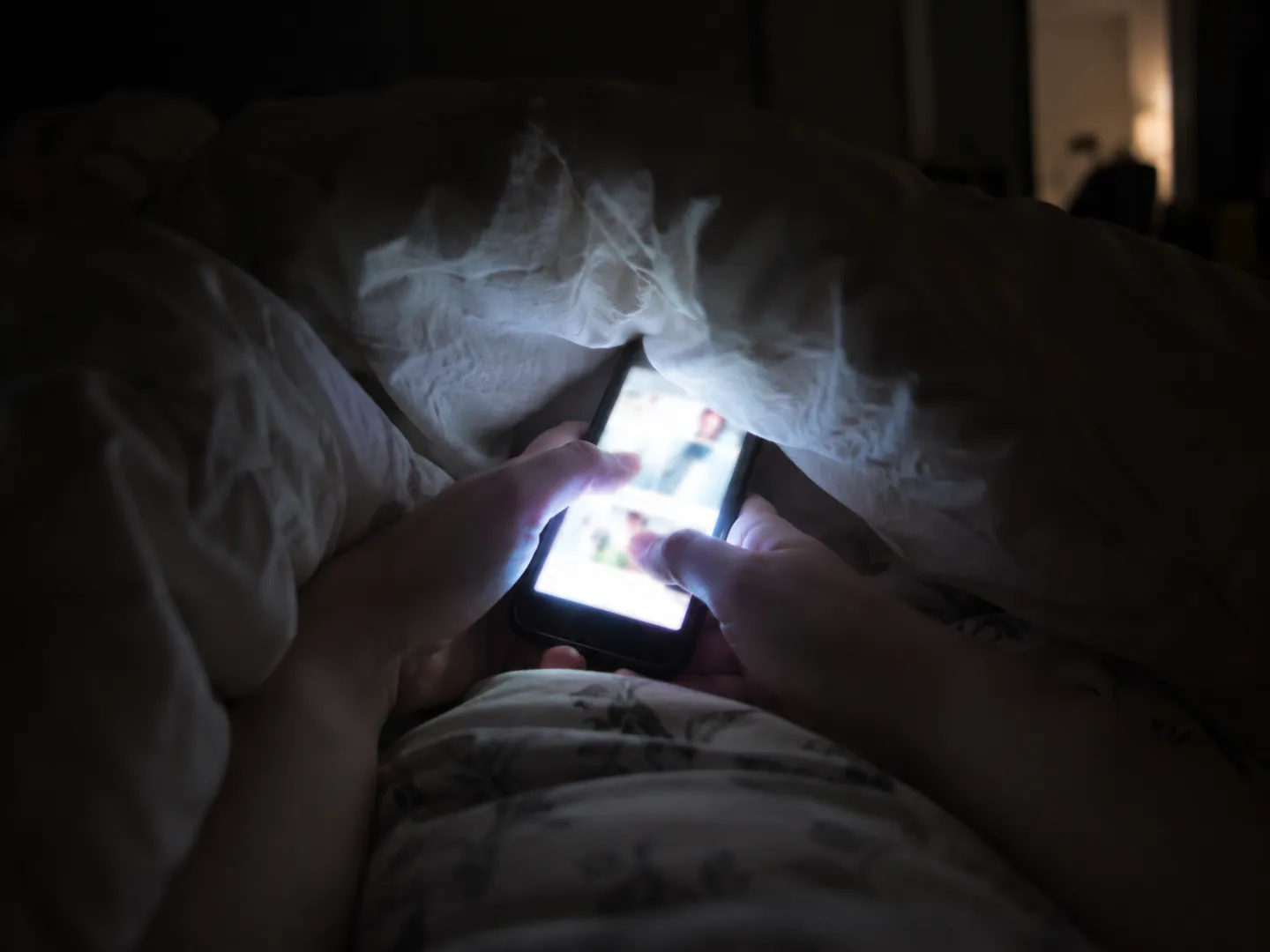
Aim to stop using phones, tablets and computers about an hour before bed.
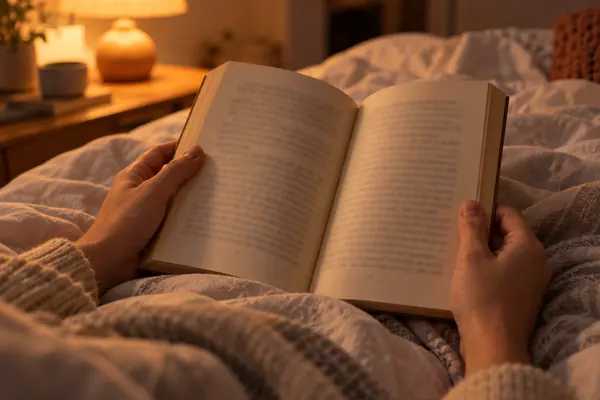
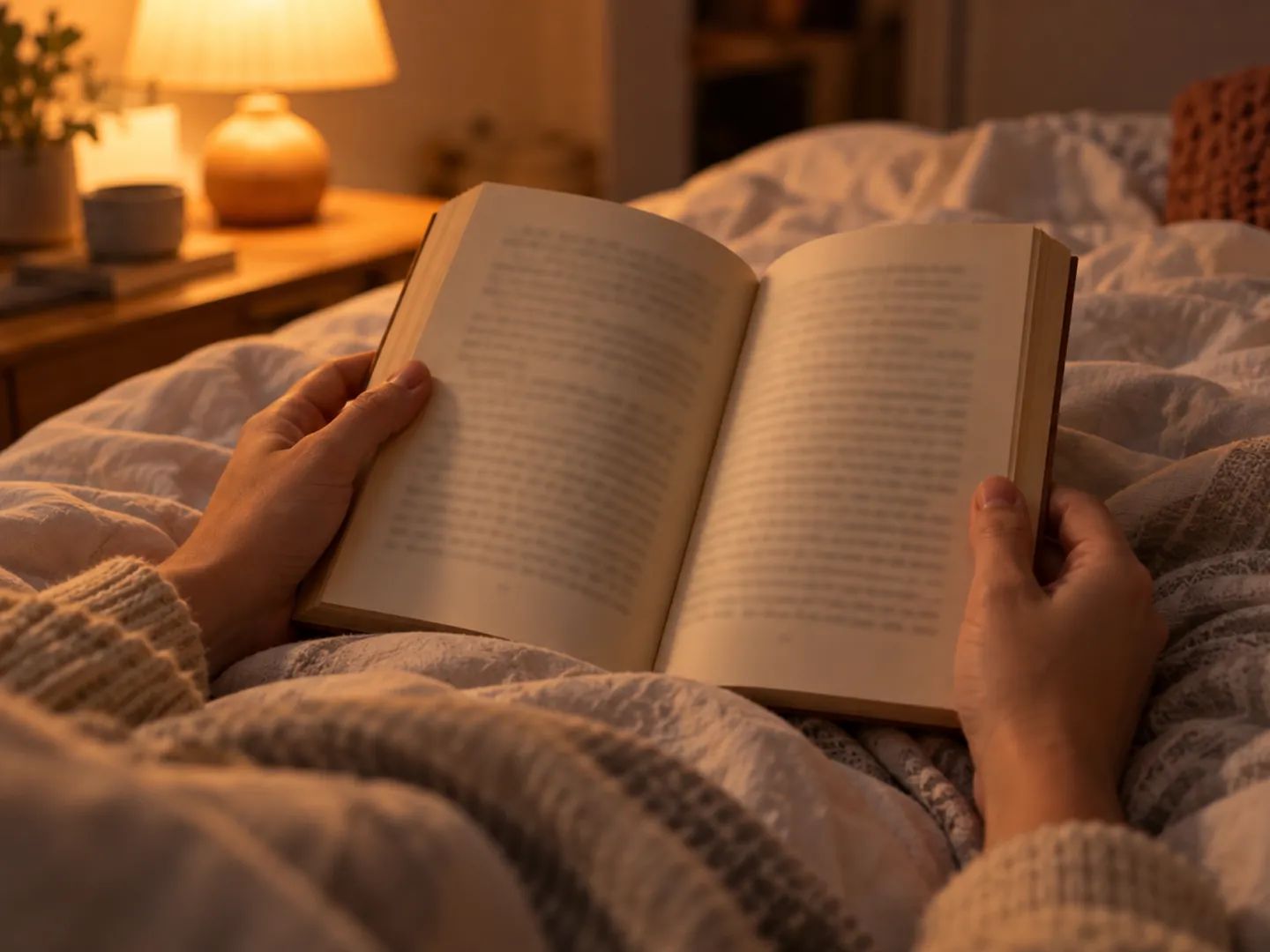
Relax for at least an hour before bed, with a bath or a printed book.
Put the phone on silent and face down, and keep clocks out of view.
Sit somewhere comfortable and do something relaxing, then go back to bed when sleepy.
TWO NUMBERS WORTH KNOWING
Twelve adults read the same way for five nights,
once on a glowing screen and once on paper.
≈ 55%
Evening melatonin suppressed by screen reading
Reading a light-emitting e-reader for about 4 hours before bed suppressed evening melatonin by about 55%. Reading a printed book in the same dim light did not.
MELATONIN · PNAS 2015
≈ 10 min
Extra time to fall asleep
Participants took nearly 10 minutes longer to fall asleep after the e-reader (25.65 against 15.75 minutes on average), had less REM sleep and felt sleepier the next morning.
FALLING ASLEEP · PNAS 2015
This was a small lab study of 12 healthy young adults in very dim room light. The same paper reports a US survey in which 90% of adults used some electronics within an hour of bedtime at least a few nights a week.
WHAT ABOUT NIGHT MODE?
Night-mode filters shift the screen towards warmer colours to cut short-wavelength light. In a 2021 randomised trial, 167 university students used their phones for the hour before bed for seven nights with the filter on, with it off, or not at all, and wore wrist trackers to measure sleep.
Across the whole group, there were no significant differences in sleep between the three groups. In those who averaged more than 6.8 hours of sleep a night, the no-phone group had the best sleep efficiency. The authors concluded that night mode did not change sleep outcomes.
Questions
NHS Every Mind Matters suggests trying not to use phones, tablets or computers for an hour before bed, because the blue light from screens can make it harder to fall asleep.
In a 2015 lab study of 12 adults, reading on a light-emitting e-reader before bed meant taking nearly 10 minutes longer to fall asleep, less REM sleep and more sleepiness the next morning than reading a printed book.
A 2021 trial with 167 young adults found no significant differences in sleep whether a phone's night-mode filter was on or off, or the phone was not used at all, across the whole group.
The NHS suggests putting your phone on silent to avoid interruptions and placing it face down to reduce light, along with keeping clocks out of view.
The NHS says to see a GP if changing your sleeping habits has not worked, if you have had trouble sleeping for months, or if it is affecting your daily life in a way that makes it hard to cope.
Updated
ABOUT THIS NAME
It is not open for bids or leasing right now. Browse the catalogue for names you can bid on or lease today.